
Forms, Guides, and Information for Clients
Information to Help You Navigate the Process

Justice 101: The Client’s Guide to Litigation
Learn more about litigation, what it is, and what to expect.
Demystifying the Deposition
Learn about depositions, what to expect if you’re deposed, and tips for handling a deposition well from a young Andrew Seibert!
Dressing for Court
You might not be permitted to enter the courtroom if you are not properly dressed.
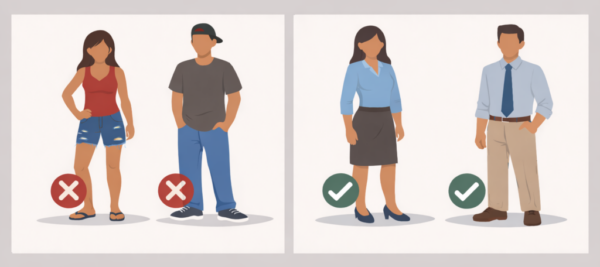
We understand that in most places today, people dress more casually. Court is not one of those places. Judges expect individuals to present themselves respectfully, and how you dress is part of that. Proper attire shows respect for the court and the process.
Certain items should NEVER be worn to court:
Tank tops or crop tops
Hats
Sneakers/tennis shoes
Sandals including flip flops
Again, if you show up in any of the above, the judge may refuse you entry to court.
Your case will have to be rescheduled, you’ll have to take more time to come deal with it, and everything will take longer. The time we took to meet you will still be billed. Save yourself time and money by showing up dressed properly the first time.
What to Wear Instead
If you are unsure whether something is appropriate, choose the more formal option.
Men
should wear slacks or khakis and a shirt with a collar. Shirts should be tucked in. A tie is optional, nice but not required. Dress shoes if you have them.
Women
should wear pants/skirts with tops or dresses. Clothing should be modest, not revealing. Shoulders should be covered. Dress shoes if you have them, but heels are not necessary. Shoes should be closed-toed.
Non-Binary people
should wear what you are comfortable with within the guidelines. Shirts should be tucked in. Shoulders should be covered. Dress shoes if you have them.